March 05, 2019

Fwd: [Heian Period Japan] O-Otoko Giant legends


- BACK to the Daruma Museum -
. Japanese legends and tales 伝説 民話 昔話 - Introduction .
::::::::::::::::::::::::::::::::::::::::::::::::::::::::::::::::::::::::::::::::::::::::::::::::::::::::::::::::::::::::::::::::::::::::::::::::::::::::::::::::::::::::::::::

oo-otoko 大男と伝説 Legends about giants

oo-otoki may refere to a real giant who moves mountains, or a rather large, strong man.


. Honen Matsuri 豊年祭 fertility festival .
a new giant wooden phallus 大男茎型 (ooowasegata おおおわせがた) of about 2 meters length and 60 cm diameter

..............................................................................................................................................

. temizu, choozu 手水 ritual purification of hands .
toori akuma 通り悪魔
自宅庭の手水鉢近くに茂る葉蘭から焔が3尺ほど燃え上がっていたとき、眼光尋常でない大男が隣家より塀を飛び越えて来て、槍を振り回した。目を閉じて1時間ほどすると、焔も大男もいなくなっていた。この正体は邪気とそれに破られて乱心した隣家の主人であった。これが俗にいう通り悪魔であろう。


::::::::::::::::::::::::::::::::::::::::::::::::::::::::::::::::::::::::::::::::::::::::::::::::::::::::::::::::::::::::::::::::::::::::::::::::::::::::::::::::::::::::::::::
- - - - - ABC List of the prefectures :


......................................................................................... Nagasaki


みそ五郎まつり Misogoro Festival
Nishi-Arie-Chosukawa, Minamishimabara-shi, Nagasaki mall

- quote -
In each region of the Shimabara Peninsula many legends about giants have been told. The story about the kind and friendly giant Misogoro is one of them.
The statue of Misogoro was built based on this old story passed down in this area.
The statue is carried on a truck and is displayed in a parade that goes down the old shopping street of Nishi Arie.
At the festival, many events related to Somen noodles are held such as a fancy-dress parade, somen tasting, and a fast-eating of somen contest. Moreover, the event offers an exhibition and sale having not only Tenobe Somen boodle, but also locally harvested crops and fishery products.
- source : nihon-kankou.or.jp... -


......................................................................................... Okinawa 沖縄県
.......................................................................
石垣市 Ishigaki city

. 赤い褌をした一つ目の大男 ... .


......................................................................................... Saitama 埼玉県
.......................................................................
In 秩父郡 大滝村 Chichibu, Otaki village

. 山に大男がいて....


......................................................................................... Tokyo
.......................................................................
港区 Minato ward

. 小島清次郎 Kojima Saijiro catching fish .


......................................................................................... Yamagata 山形県
.......................................................................
最上郡 Mogami district 真室川町

. onibaba 鬼婆 ... .


..............................................................................................................................................


- reference : nichibun yokai database 妖怪データベース -
97 to explore (01)

::::::::::::::::::::::::::::::::::::::::::::::::::::::::::::::::::::::::::::::::::::::::::::::::::::::::::::::::::::::::::::::::::::::::::::::::::::::::::::::::::::::::::::::

. animals and their legends 動物と伝説 - - ABC list .

. plants and their legends  植物と伝説 - - ABC list .

. trees and their legends  樹木, 木と伝説 - - ABC list .

. Persons, People, Personen and their legends - - ABC list .

. Legends about Kobo Daishi Kukai - 弘法大師 空海 - 伝説 .

. Japanese legends and tales 伝説 民話 昔話 - Introduction .

- Yookai 妖怪 Yokai Monsters of Japan -
- Introduction -

::::::::::::::::::::::::::::::::::::::::::::::::::::::::::::::::::::::::::::::::::::::::::::::::::::::::::::::::::::::::::::::::::::::::::::::::::::::::::::::::::::::::::::::


. Join the friends on Facebook ! .

::::::::::::::::::::::::::::::::::::::::::::::::::::::::::::::::::::::::::::::::::::::::::::::::::::::::::::::::::::::::::::::::::::::::::::::::::::::::::::::::::::::::::::::

[ . BACK to DARUMA MUSEUM TOP . ]
[ . BACK to WORLDKIGO . TOP . ]
- - - - - #ootoko #giant -
::::::::::::::::::::::::::::::::::::::::::::::::::::::::::::::::::::::::::::::::::::::::::::::::::::::::::::::::::::::::::::::::::::::::::::::::::::::::::::::::::::::::::::::

--
Posted By Gabi Greve to Heian Period Japan on 3/02/2019 10:30:00 am

Unsubscribe from new post emails for this blog.

March 02, 2019

EDO - Mejirodai Sekiguchi Bunkyo

https://edoflourishing.blogspot.com/2017/10/sashigaya-koishikawa.html

::::::::::::::::::::::::::::::::::::::::::::::::::::::::::::::::::::::::::::::::::::::::::::::::::::::::::::::::::::::::::::::::::::::::::::::::::::::::::::::::::::::::::::::::::::


Mejirodai 目白台 Mejirodai district
Bunkyo, Mejirodai 一丁目 - 三丁目 first to third sub-district


The name refers to the Mejiro Fudo with white eyes. It used to be in the temple 長谷寺 Hasedera, which burned down. The White-eyed Fudo was then relocated.
A white horse was born in the Shoguns stable at that time as an auspicious sign.

The area is an old residential neighborhood and a school zone.

. Mejiro Fudo 目白不動 Fudo with white eyes .
目白不動「金乗院」 豊島区高田2-12-39

::::::::::::::::::::::::::::::::::::::::::::::::::::::::::::::::::::::::::::::::::::::::::::::::::::::::::::::::::::::::::::::::::::::::::::::::::::::::::::::::::::::::::::::::::::


Ootsuka 大塚 Otsuka "big mound"
It used to be a farming region in Koishikawa village.
The name refers to an area of flat fields, in the middle of them was a large mound, a 古墳 Kofun.
Takizawa Bakin 滝沢馬琴 (1767 - 1848) in his book about the 南総里見八犬伝 Nansō Satomi Hakkenden, the The Chronicles of the Eight Dog Heroes of the Satomi Clan of Nanso, mentions Otsuka no sato 大塚の里

The first houses of Edo city dwellers were built around 1630. In 1717 it came under the jurisdiction of the 町奉行 Machibugyo.


. Otowa Gokokuji 音羽護国寺 Otowa Gokoku-Ji
文京区大塚5-40-1 / Bunkyo ward, Otsuka 5-40-1

. kofun 古墳 burial mounds in Tokyo .


::::::::::::::::::::::::::::::::::::::::::::::::::::::::::::::::::::::::::::::::::::::::::::::::::::::::::::::::::::::::::::::::::::::::::::::::::::::::::::::::::::::::::::::::::::


Sekiguchi 関口 Sekiguchi district
Bunkyo, 関口一丁目 - 三丁目, first to third sub-district


The name dates back to the
seki 堰 weir
of the place where the 神田上水 Kanda Josui canal crossed the river 江戸川 Edogawa (神田川 Kandagawa.
During the Kamakura, the 宿坂の関 Shukuzaka no Seki barriere gate may also have contributed to the name.
The weir was lost in 1933.

. the many waterways of Edo .
. Tamagawa Josui - Edo's Water Supply .

.......................................................................

Tsubakiyama Hachimangu 椿山八幡宮

.......................................................................

The famous hotel 椿山荘 Chinzanso
2 Chome-10-8 Sekiguchi, Bunkyō,


- quote -
Welcome to Hotel Chinzanso Tokyo, a luxury garden oasis in the heart of Tokyo.
Our gardens were formally established in 1861, in what we called the Meiji era, but it is said this area was already appreciated as beautiful camellia hills with a long history dating back some 700 years. You can relax in your room overlooking our vast Japanese garden.
- source : hotel-chinzanso-tokyo... -

.......................................................................

The novelist Satō Haruo 佐藤春夫 Sato Haruo (1892 - 1964) had his residence in the third sub-district.
Haruo-ki 春夫忌 Haruo Memorial Day - May 6

- quote -
a Japanese novelist and poet active during the Taishō and Shōwa periods of Japan.
His works are known for their explorations of melancholy. He won the 4th Yomiuri Prize.
- - - More in the WIKIPEDIA !

.......................................................................

At 江戸の関口 a place named Sekiguchi in Koishikawa, Suijin 水神の社 the Deity of Water was venerated in a shrine.
In the river in front of it, there grew a lot of makomo まこも wild rice.
Once the arrow maker 宮こ弥兵衛 Miyako Yahei passed there and sawa a bright light. It was a huge toad, its back almost as wide as a tatami mat.
He became quite afraid and run home. He became ill and had to stay in bed for seven days.

. makomo 真菰 / まこも wild rice. .


::::::::::::::::::::::::::::::::::::::::::::::::::::::::::::::::::::::::::::::::::::::::::::::::::::::::::::::::::::::::::::::::::::::::::::::::::::::::::::::::::::::::::::::::::::

February 27, 2019

EDO - Nagasakacho, Azabu Tokyo

https://edoflourishing.blogspot.com/2018/10/mamiana-district-azabu-minato.html

::::::::::::::::::::::::::::::::::::::::::::::::::::::::::::::::::::::::::::::::::::::::::::::::::::::::::::::::::::::::::::::::::::::::::::::::::::::::::::::::::::::::::::::::::::


Azabu Nagasakachoo, Azabu-Nagasakachō 麻布永坂町 Azabu Nagasakacho district
No sub-districts


The name refers literally to the "long slope" of this area, running from South to North.
In 1869, the areas of 麻布永坂町 Azabu-Nagasakacho, 板倉永坂町 Itakura-Nagazakacho and 麻布永坂光照寺門前 Azabu Nagazaka Kosho-Ji Monzen were united to just one,
Asabu Nagasakacho.
In 1872, Samurai estates, shrines and temples nearby were added.


::::::::::::::::::::::::::::::::::::::::::::::::::::::::::::::::::::::::::::::::::::::::::::::::::::::::::::::::::::::::::::::::::::::::::::::::::::::::::::::::::::::::::::::::::

February 24, 2019

Fwd: [Edo - the EDOPEDIA -] third lunar month


[http://darumasan.blogspot.jp/]
[ . BACK to DARUMA MUSEUM TOP . ]
Yayoi as place name, see below !
::::::::::::::::::::::::::::::::::::::::::::::::::::::::::::::::::::::::::::::::::::::::::::::::::::::::::::::::::::::::::::::::::::::::::::::::::::::::::::::::::::::::::::::::::::: 
The Third Lunar Month 三月 sangatsu - 弥生 yayoi -

In the old lunar calendar of the Edo period,

spring lasted from the first month to the third,
summer from the fourth month through the sixth,
autumn from the seventh month through the ninth,
winter from the tenth month through the twelfth.

. WKD : The Asian Lunar Calendar and the Saijiki .

. Edo Saijiki 江戸歳時記 .


source : art.jcc-okinawa.net/okinawa/edonosiki


under construction
:::::::::::::::::::::::::::::::::::::::::::::::::::::::::::::::::::::::::::::::::::::::::::::::::::::::::::::::::::::::::::::::::::::::::::::::::::::::::::::::::::::::::::::::::::::

- - - - - H A I K U and S E N R Y U - - - - -

Asakusa sanja matsuri 浅草三社祭 Asakusa Festival of Three Shrines
. Asakusa Kannon 浅草観音 .

..............................................................................................................................................


hanami 花見 viewing cherry blossoms
. Cherry Blossom Time .


..............................................................................................................................................


tatsubina 辰雛 Dragon hina dolls
They were first shown on the first day of the third lunar month.

It used to be celebrated on the first day of the snake (jooshi 上巳, mi no hi 巳の日) and later changed to the third day of the month.
tatsumi 辰巳 "dragon and snake" are a special pair in the Asian zodiac.


hina matsuri 雛祭り Hina doll festival
. hina matsuri 雛祭り Hina doll festival .


:::::::::::::::::::::::::::::::::::::::::::::::::::::::::::::::::::::::::::::::::::::::::::::::::::::::::::::::::::::::::::::::::::::::::::::::::::::::::::::::::::::::::::::::::::::


- Now off to Edo and its various place names.


Yayoi 弥生 Yayoi district
. Bunkyoo, Bunkyō 文京区 Bunkyo ward, "Literature Capital" .
Yayoi, 一丁目 / 二丁目 first and second sub-district


In 1884, when it was part of Tokyo City, it was the location of a shell mound where a type of pottery was discovered.
The pottery became known as Yayoi, and eventually a period of Japanese history assumed the same name.
- quote wikipedia -

In 1965, the former area name 向ヶ岡 / 向ヶ丘 Mukogaoka was dropped and changed to 弥生 Yayoi.

- quote -
Yayoi jidai 弥生時代 The Yayoi period (ca. 400 BC - 250 AD).
The period is marked by the establishment of rice cultivation and an agrarian society. Society was hierarchical , with shifting alliances and centers of power. This change from hunter-gatherer Jomon jidai 縄文時代 is believed to have been influenced by a complex process of new migrations from the Asian continent as well as local adaptation. The name of the period originates from the area of Tokyo called Yayoicho 弥生町 where pottery of this period yayoishiki doki 弥生式土器 was first discovered and identified in the 19c. Yayoi pottery was fired at higher temperatures in ventilated kilns in Kyushu 九州.
Many Yayoi vessels are smooth and symmetrical. Rather than the earlier cord decorations, surface patterns were made with a wooden stick or comb. Asian continental influences during this period brought major societal and technological advances, including the establishment of communities and metal forging, particularly of bronze bells and weapons for ritual use.
- source : JAANUS -


Yayoizaka, Yayoi-zaka 弥生坂 Yayoi slope
also called
鉄砲坂(てっぽうざか)Teppozaka
In 1872, the whole area was called 向ヶ岡弥生町 Mukogaoka Yayoicho.
Since around 1620, the estate of the Tokugawa Mito clan was located here.
In 1969, the area became part of the 大学用地 University complex, 東大 Todai.
Some slopes were built for the students to access the university. From Nezu the slope leads up to the Todai.

.......................................................................

Yayoi Museum 彌生美術館 / 弥生美術館 - 草間彌生 Kusama Yayoi
2 Chome-4-3 Yayoi, Bunkyō, Tokyo
now
Yayoi Kusama Museum
107 Bentencho, Shinjuku, Tokyo


- quote -
Yayoi Kusama Museum was founded by the avant-garde artist Yayoi Kusama, and is run by the Yayoi Kusama Foundation. It opened in 2017 with the aim of spreading and promoting Kusama's art, exhibiting her works and related materials to contribute to the development of art as a whole.
Our collection of Kusama's works will be presented in two exhibitions each year, together with lectures and various other events; we hope to share widely the message of world peace and love for humanity that Kusama has promoted, while also engaging people from all backgrounds with contemporary art.
... The museum presents major works from Kusama's earlier years up until the present day. ...
... Kusama's work has been exhibited in many of the major museums, Biennales and Triennales all over the world. ...
- source : yayoikusamamuseum.jp/en... -


..............................................................................................................................................

Yayoichō 弥生町 Yayoicho district
東京都中野区弥生町
. Nakano ku 中野区 Nakano ward - "Middle Wild Field" .
弥生町一丁目 - 六丁目 from the first to the sixth sub-district


There have also been found remains of the Yayoi period in this district.
Now it is mostly an area for living, with many mansions.

In 1967, it was formed from the following parts:
弥生町一丁目 = 本郷通一丁目・向台町・栄町通一丁目の一部
弥生町二丁目 = 本郷通二丁目・本郷通三丁目
弥生町三丁目 = 神明町の一部・栄町通一丁目の一部・川島町の一部
弥生町四丁目 = 栄町通二丁目の一部・川島町の一部・神明町の一部
弥生町五丁目 = 富士見町・本郷通三丁目・広町の一部・栄町通二丁目の一部・栄町通三丁目の一部
弥生町六丁目 = 広町の一部・栄町通三丁目の一部
- quote wikipedia -


:::::::::::::::::::::::::::::::::::::::::::::::::::::::::::::::::::::::::::::::::::::::::::::::::::::::::::::::::::::::::::::::::::::::::::::::::::::::::::::::::::::::::::::::::::::


- - - To join me on facebook, click the image !

:::::::::::::::::::::::::::::::::::::::::::::::::::::::::::::::::::::::::::::::::::::::::::::::::::::::::::::::::::::::::::::::::::::::::::::::::::::::::::::::::::::::::::::::::::::

. Edo Saijiki 江戸歳時記 .

. - Doing Business in Edo - 商売 - Introduction .

. senryu, senryū 川柳 Senryu poems in Edo .


. Famous Places and Power Spots of Edo .

[ . BACK to DARUMA MUSEUM TOP . ]
[ . BACK to WORLDKIGO . TOP . ]
- #yayoi #bunkyoyayoi #nakanoyayoi #mukogaoka #yayoizaka #teppozaka -
::::::::::::::::::::::::::::::::::::::::::::::::::::::::::::::::::::::::::::::::::::::::::::::::::::::::::::::::::::::::::::::::::::::::::::::::::::::::::::::::::::::::::::::::::::: 

--
Posted By Gabi Greve to Edo - the EDOPEDIA - on 3/01/2014 02:32:00 pm

Unsubscribe from new post emails for this blog.

February 18, 2019

MINGEI - Sekishu washi paper Shimane

https://omamorifromjapan.blogspot.com/2013/03/kami-paper.html

..............................................................................................................................................

. . . . . . . . . . Shimane 島根県

Sekishu washi 石州和紙 Sekishu Paper


- quote -
While mention is made of Sekishu in the Engishiki, a Heian period (794-1185) document on court protocol, a more direct reference to paper is made in the 紙漉重宝記 Kamisuki Chohoki, a ""A Manual of Papermaking"" published in 1798. It says that when 柿本人麻呂 Kakinomotono Hitomaro went to take up the post of protector in the province of Iwami (Shimane prefecture), he taught the people there how to make paper.
Sekishu Washi
has been made unceasingly for about 1,300 years. In the early days it was made by farmers in their spare time but gradually became a specialized job of work and today, paper is still being made using the same skills and techniques as of old.
Handmade papers
differ slightly depending on the plant fiber source. The long fibers of kozo paper make it really strong and supple. Also beautifully pliant is mitsumata paper which is taught and has a slight luster. Even more pliant is ganpi paper which is glossy and is not preferred by hungry insects. Produced in large quantities, kozo paper was used in the past for ledgers by merchants, who were quick to throw them down their wells if a fire broke out, knowing the paper was strong enough to withstand a dousing.
These days paper is made for shoji screens, calligraphy paper, letter paper, envelopes and postcards, and business cards and many other things that all retain a distinctive character.
- source : kougeihin.jp.e.oo.hp.transer.com... -


- quote -
Tesuki washi (handmade Japanese paper) was invented in 105 AD by a Chinese official named Cai Lun, and introduced to Japan in 610 AD by Doncho, a Buddhist monk from Korea. Sekishu washi, the special washi paper of western Shimane Prefecture, also has a long history of over a thousand years long. The name Sekishu comes from the Sekishu region (present-day Iwami), where the paper was first produced. The paper is also known as 石州半紙(せきしゅうばんし) Sekishu-banshi ("half sheets of Sekishu") because of the cut of the paper. ...
... In light of the unique traditional techniques and methods employed to make Sekishu-banshi by the Sekishu-banshi Craftsmen's Association, Sekishu-banshi was designated as an Important Intangible Cultural Property in 1969.
... Sekishu Washi Kaikan (Sekishu Washi Center)
... About Workshops and Craftsmen
- source and more : sekishu.jp/en/history... -

. Shimane Folk Art - 島根県 .

. Kakinomoto Hitomaro 柿本人麻呂 Hitomaru 人丸 / 人麿 (c. 662 – 710) .


..............................................................................................................................................

February 11, 2019

MINGEI - Niigata Shiozawa pongee tsumugi

https://omamorifromjapan.blogspot.com/2013/12/orimono-weaving.html

.............................................................................................................................................
. . . . . . . . . . Niigata 新潟県


- quote -
Shiozawa tsumugi 塩沢紬 Shiozawa Pongee
The history of weaving in the Shiozawa area is very long and an example of a linen cloth --now Echigo jofu 越後上布 Echigo linen-- woven during the Nara period (710-794) is preserved in the Shosoin Repository in Nara. The skills and techniques used to weave this linen cloth were adopted for the weaving of a silk cloth that became Shiozawa Tsumugi and was first woven during the Edo period (1600-1868).
This cloth is characterized by a very particular sense of quality and refinement derived from its ikat patterns which are composed of fine crosses called kagasuri 蚊絣 --"mosquito ikat"--and a kikkogasuri 亀甲絣 of box-like pattern, both achieved by tying bundles of thread and rubbing in the dyestuff before weaving. The cloth is used exclusively for kimono.
- source : kougeihin.jp... -


..............................................................................................................................................

MINGEI - Kumejima tsumugi pongee

https://omamorifromjapan.blogspot.com/2011/08/okinawa-folk-toys.html

..............................................................................................................................................


Kumejima tsumugi 久米島紬 Kumejima pongee


- quote -
Originating in India, this method of weaving was introduced into Japan around the 14th century along eastern trade routes.
It is also said that Kumejima Tsumugi started when someone taught the islanders how to weave after studying sericulture techniques in China. Kumejima is therefore considered to be the birthplace of Japanese pongee. From the beginning of the Edo period (1600-1868) until the second half of the Meiji era (1868-1912), pongee was collected in lieu of taxes.
As the color of the cloth is subdued, a kimono can be worn for two or three generations, regardless of the age of its wearer, if a different obi is worn. A light, summer-weight cloth is now also being produced. The very dark shade of brown is obtained by using plant dyestuffs and mud. This makes the skin of the wearer appear paler and the reeled yarn contributes significantly to giving this cloth a suppleness that so gracefully wraps the body of its wearer. The traditions of this cloth, which is still being made for kimono and obi as well as for tablecloths, curtains and other household accessories.
- source : kougeihin.jp...-

- quote -
1. Produced in Nakasatoson (Kume Island) Shimajirigun, Okinawa Prefecture.
2. Characteristics:
High quality silk fabric hand woven in "Taka Hata"(high loom) and fulled by block, with hand spun "Tsumugi"(pongee) threads dyed with plant dyes and treated with mud mordanting. It has deep color tone and is soft and gentle. There are 3 kinds: black, white and colored. Designs are stripes, checks, warp-weft Kasuri(splash pattern), weft Kasuri and combined patterns of the above
3. Uses: Clothing.
4. History: ...
... Dyeing Method ...
- source : kimono.or.jp/dictionary... -


..............................................................................................................................................

February 09, 2019

EDO - Ushigome Yochomachi district

https://edoflourishing.blogspot.com/2017/03/ushigome.html

::::::::::::::::::::::::::::::::::::::::::::::::::::::::::::::::::::::::::::::::::::::::::::::::::::::::::::::::::::::::::::::::::::::::::::::::::::::::::::::::::::::::::::::::::::


Yochoomachi 牛込余丁町 Ushigome Yochomachi district
No sub-districts.


During the Edo period, this area was part of 大久保村 Okubomura village. Later it became the estate of 旗本 a Hatamoto.
There were four 横町 alleys, so the area was also called 大久保四丁町 Okubo Shichomachi.
In 1872, it became part of 大久保前町 Okubochozencho, but since the number 四 shi has a bad omen, having the same reading SHI as 死 death, it was re-named
大久保余丁町 Okubo Yochomachi.
The number four 四 can also be read YON.
In 1911 it became 余丁町 Yochomachi.


厳嶋神社 - 抜弁天 Itsukushima Jinja Nukebenten Shrine
東京都新宿区余丁町8-5 / 8-5 Yochomachi, Shinjuku, Tokyo

In 1086, when Minamoto no Yoshiie was on his way to Northern Japan, he took residence here, because it was the highest area. Fujisan could be seen clearly in the distance.
To give thanks for his victory (and escape, nuke) he had the shrine built in memory of the Itsukushima Shrine on his way back.
Since the escape road passed straight from South to North through the shrine compound, it was also called Nuke-Benten.
This shrine is one of the six famous Benten in Edo.

. Minamoto no Yoshiie Hachimantaro 源八幡太郎義家 / 源義家 . - (1039 - 1106)

. Edo roku Benten 江戸六弁天 Six famous Benten in Edo .

. Itsukushima Jinja Shrine 厳島神社 .
Miyajima 宮島 Hiroshima 広島県


::::::::::::::::::::::::::::::::::::::::::::::::::::::::::::::::::::::::::::::::::::::::::::::::::::::::::::::::::::::::::::::::::::::::::::::::::::::::::::::::::::::::::::::::::::

January 31, 2019

HEIAN - Marishiten and wild boar

https://darumamuseumgallery.blogspot.com/2009/12/santen-marishiten.html
.
Marishiten 摩利支天 (まりしてん) Marishi-Ten
Goddess of Wealth and Warriors

.......................................................................


- - - Treasures of the Katagiri family 片桐家


- quote -
片桐家伝承では,天文法華の乱の時、京都の本法寺が焼失し、同寺宝物の御玉尊像と堺へ逃れられ、当地に本御廟の前身が建立され、なお伝承添え状によると世上に流布の三面六肘で夜叉で猪に乗る御姿は本玉像が起源とも記載あり。
- Look at more enlargements of the srolls :
- reference source : 片桐家 katagiri -

.......................................................................

January 29, 2019

EDO - Kachidoki bridge Tsukijima Chuo

https://edoflourishing.blogspot.com/2019/01/tsukishima-district-chuo.html

..............................................................................................................................................

Kachidoki 勝どき "cry of victory"

Before the bridge 勝鬨橋 Kachidokibashi was built, there was a river crossing, Kachidoki no watashi 勝鬨渡し.


The Chinese character 鬨 toki (doki) is no longer on the list of the general Kanji, so the name is now spelled with hiragana どき doki.

Kachidoki is just opposite the Tsukiji fish market and many huge storehouses to cool the fish were built here. So they needed a bridge to get to the new island of Kachidoki fast.


- quote -
Kachidoki Bridge is the only drawbridge built on Sumida River in the 1940's.
It was constructed to commemorate the victory of the Japanese army during the Russian-Japanese War. In the post-war years until 1970's, the bridge was operated by electricity and it used to take about 70 seconds to open or close. It required a total of 20 minutes to open and allow the ships to pass through, which was a routine for nearly five times a day. As the use of freight ships decreased, due to the improvement of alternative infrastructure like highways, the dependency on the bridge decreased as well and in 1970 it opened only once. Since then the bridge has stayed closed and never reopened.
- source : en.japantravel.com/tokyo... -


..............................................................................................................................................

January 28, 2019

MINGEI - ishidoro stone lanterns and legends

https://omamorifromjapan.blogspot.com/2019/01/ishidoro-stone-lantern.html

ishidoro toro stone lantern

[ . BACK to DARUMA MUSEUM TOP . ]
. Legends and Tales from Japan 伝説 - Introduction .
:::::::::::::::::::::::::::::::::::::::::::::::::::::::::::::::::::::::::::::::::::::::::::::::::::::::::::::::::::::::::::::::::::::::::::::::::::::::::::::::::::::::::::

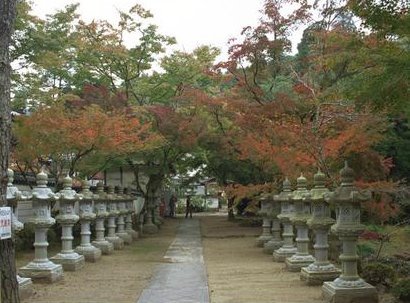
ishi doorooo 石灯篭、石燈籠、石燈篭 Ishidoro, stone lantern, Steinlaterne
tōrō, tooroo 灯篭 Toro stone and other lanterns
sekidoro, sekitoro

. Ishidoro and Haiku .
- Introduction -


© Gabi Greve: Stone Lanterns at Temple Buttsuu-ji


Mark Schumacher has a great page about the stone lanterns of Japan. It also covers
OFFERINGS OF LIGHT 灯明供養 (とうみょうくよう)
Lighting Ceremony Associated with the Deceased
- - - Stone Lanterns - - -
(part of the text is by myself)

. toomyoo kuyoo 灯明供養 light offerings .

. Steinlaterne (ishidooroo石灯籠, ishitooroo) .

..............................................................................................................................................

- quote -
In Japan a tōrō (灯籠 or 灯篭, 灯楼 light basket, light tower)
is a traditional lantern made of stone, wood, or metal. Like many other elements of Japanese traditional architecture, it originated in China; however, extant specimens in that country are very rare, and in Korea they are not as common as in Japan. In Japan, tōrō were originally used only in Buddhist temples, where they lined and illuminated paths. Lit lanterns were then considered an offering to Buddha.
During the Heian period (794–1185), however, they started being used also in Shinto shrines and private homes.
... Tōrō can be classified in two main types, the tsuri-dōrō (釣灯籠・掻灯・吊り灯籠 lit. hanging lamp), which usually hang from the eaves of a roof, and the dai-dōrō (台灯籠 lit. platform lamp) used in gardens and along the approach (sandō) of a shrine or temple. The two most common types of dai-dōrō are the bronze lantern and the stone lantern, which look like hanging lanterns laid to rest on a pedestal.
... A dai-dōrō is most often made of stone, and in that case it is called ishi-dōrō (石灯籠 literally stone lantern).
Structure
The traditional components of a stone (or bronze) lantern are, from top to bottom:

Hōju or hōshu (宝珠 literally jewel)
The onion-shaped part at the very top of the finial.
Ukebana (請花 literally receiving flower)
The lotus-shaped support of the hōshu.
Kasa (笠 literally umbrella)
A conical or pyramidal umbrella covering the fire box. The corners may curl upwards to form the so-called warabide (蕨手).
Hibukuro (火袋 literally fire sack)
The fire box where the fire is lit.
Chūdai (中台 literally central platform)
The platform for the fire box.
Sao (竿 literally post)
The post, typically oriented vertically and either circular or square in cross-section, possibly with a corresponding "belt" near its middle; occasionally also formed as a sideways coin or disk, as a set of tall thin lotus petals, or as between one and four arched legs (in "snow-viewing" lanterns); absent in hanging lanterns.
Kiso (基礎 literally foundation)
The base, usually rounded or hexagonal, and absent in a buried lantern (see below).
Kidan (基壇 literally base platform)
A variously shaped slab of rock sometimes present under the base.
- More in the Wikipedia -

..............................................................................................................................................

sekidoo 石幢 stone flag, stone memorial


- quote -
A type of stone pagoda with a hexagonal or octagonal base, a banner-shaped shaft, doushin 幢身, a niche, a coping stone shaped like a roof and one or more onion-shaped decorative jewels *houju 宝珠, on top. Some sekidou have no base so that section is inserted directly into the ground. Sanskrit letters and /or Buddhist images are carved on each side of the shaft. Some sekidou have octagonal or hexagonal shafts. Many have only a shaft and roof. Sometimes they resemble stone lanterns without a light box. According to some scholars sekidou probably evolved from kasatouba 笠塔婆. The oldest extant date from the Kamakura period, but many were made in the late 14c, and after.

sekidougata ishidourou 石幢形石灯籠
A type of stone lantern, ishidourou 石灯籠. Shaped like a Buddhist memorial sekidou 石幢, it has a hexagonal or octagonal base with a faceted pillar on it. On top of the pillar is the fire box, topped with canopy and sacred jewel, common to most stone lanterns. The special characteristic of the sekidougata ishidourou are the 6 buddhas, carved in relief on each face of the fire box. Originally derived from the sekidou, a monument displaying Buddhist relief carvings, it is thought that the fire hole was carved out to adapt the monument to function as a lantern.
- source : JAANUS -

- further reference -


:::::::::::::::::::::::::::::::::::::::::::::::::::::::::::::::::::::::::::::::::::::::::::::::::::::::::::::::::::::::::::::::::::::::::::::::::::::::::::::::::::::::::::
- ABC - List of stone lanterns from the Prefectures

..............................................................................................................................................

................................................................................ Ibaraki  

Makabe ishidoro 真壁石燈籠 Makabe Stone Lanterns


- quote -
Makabe Stone Lanterns
Good quality granite found in the Makabe area of Ibaraki Prefecture has been used to make a variety of useful articles since ancient times. The actual working of stone in the area began around the end of the Muromachi period (1333-1568) with the making of Buddhist stone articles around Nagaoka in Makabe-cho.
The earliest confirmed Makabe Ishidoro stands in the temple compound in Makabe-cho. It was made by Kubota Kichibei in 1824, and he was responsible for establishing the skills and techniques of the craft.
Special features
of these lightly colored lanterns are their superb craftsmanship, the light touch of the beautiful carving and their sense of weightiness. They provide traditional Japanese gardens with an added quality and elegance, their special features being accentuated further by the moss which tends to grow on the stone. Apart from garden items, lanterns and other items are also made for use at shrines and temples.
- source : kougeihin.jp.e.oo.hp.transer.com -


................................................................................ Tottori  

出雲石燈ろう Izumo Ishidoro


- quote -
Izumo stone lanterns
What is Izumo stone lanterns ?
Izumo stone lantern is stone lanterns produced in the city of Sakai Minato in the Tottori prefecture, and in the cities of Matsue and Izumo in the Shimane prefecture. They are made of Kimachi stone, fine-grained tuffaceous sandstone quarried from the Kimachi area of Shinji town.
Izumo stone lanterns can be distinguished by their deep presence and harmony with traditional Japanese gardens. The Kimachi stone is highly absorbent and mosses grow quickly on it. Therefore the stone works seem to absorb the garden's atmosphere and effortlessly blend within the nature. Also, they have long been appreciated as a way of expressing wabi sabi (the beauty of simplicity and nature harmony) in the traditional Japanese gardens.
After many years, the stone color changes from the freshly quarried bluish gray to a subtle grayish brown. It is said that Sen no Rikyu (influential master of the tea ceremony, 1522-1591) was captivated by gardens with Izumo stone lanterns, and so along with the spreading tea ceremony and the wabi sabi culture, the stone lanterns became increasingly popular throughout Japan.
In addition to their aesthetic beauty they have good weather resistance to both hot and cold climates, which is why we can still find Izumo stone lanterns that were made in the Edo period (1603-1868) today. With a rich variety of shapes and types numbering around 130 or more, Izumo stone lanterns are widely appreciated even nowadays in Japan.
- History
The origins of Izumo stone lanterns dates back to the Nara period (710-794) and Heian period (794-1185) when they were used as lights. In the early days granite was used and later, the Kimachi stone, tuffaceous sandstone formed about 14 million years ago in the Izumo region came to be used.
In the Azuchi momoyama period (1573-1600), along with the growing popularity of the tea ceremony, Japanese gardens with a wabi sabi (the beauty of simplicity and nature harmony) theme were increasingly in vogue, resulting in a demand for attractive stone lanterns in harmony with the garden.
During the Edo period (1603-1868), the lord of the Matsue domain saw the economic value in the stone and started using it as a construction material in the domain. More importantly, he prohibited the Kimachi stones leaving the domain and restricted quarrying of the stone. This policy was at once protective of the local industry and also compelled masons to settle in the area. From the Meiji period (1868-1912) onward, stone lanterns came to be used not only for landscape architecture, but also for interior decoration, and today, with an increasing demand from overseas, Izumo stone lanterns have earned a high reputation as works of art.
- General Production Process
- MORE
- source : kogeijapan.com/locale/en... -


:::::::::::::::::::::::::::::::::::::::::::::::::::::::::::::::::::::::::::::::::::::::::::::::::::::::::::::::::::::::::::::::::::::::::::::::::::::::::::::::::::::::::::

. . . CLICK here for Photos !

. Reference .

:::::::::::::::::::::::::::::::::::::::::::::::::::::::::::::::::::::::::::::::::::::::::::::::::::::::::::::::::::::::::::::::::::::::::::::::::::::::::::::::::::::::::::

. Legends and Tales from Japan 伝説 - Introduction .

................................................................................. Yamanashi 山梨県

tamashii 魂
尋常2年の頃、死んだ妹のため、毎日墓へ燈篭をつけに行っていた。49日が終わる頃の夕方、燈篭をつけに行くと、墓場の柿の木のところで異様な音がして、ボーッと白い煙が立った。夢中で家に帰り母に告げると、「妹はこれで墓にいないということだ」と言われた。

..............................................................................................................................................

- reference : nichibun yokai database 妖怪データベース -
02 石燈篭
03 石燈籠
01 石燈篭 / イシドウロウ
03 卒塔婆石 sotobaishi

:::::::::::::::::::::::::::::::::::::::::::::::::::::::::::::::::::::::::::::::::::::::::::::::::::::::::::::::::::::::::::::::::::::::::::::::::::::::::::::::::::::::::::

- - - - - Haiku and Senryu - - - - -

. Ishidoro and Haiku .

:::::::::::::::::::::::::::::::::::::::::::::::::::::::::::::::::::::::::::::::::::::::::::::::::::::::::::::::::::::::::::::::::::::::::::::::::::::::::::::::::::::::::::


. Join the MINGEI group on facebook ! .  


. sotoba 卒塔婆 stone stupa, grave marker .

. Regional Folk Toys from Japan .

. Japan - Shrines and Temples .


. Tohoku after the BIG earthquake March 11, 2011

[ . BACK to WORLDKIGO . TOP . ]
[ . BACK to DARUMA MUSEUM TOP . ]
- - - #ishidoro #ishitooroo #stonelantern #steinlaterne - - - - -
:::::::::::::::::::::::::::::::::::::::::::::::::::::::::::::::::::::::::::::::::::::::::::::::::::::::::::::::::::::::::::::::::::::::::::::::::::::::::::::::::::::::::::

EIAN - Aragami Kojin Legends

https://heianperiodjapan.blogspot.com/2019/01/aragami-kojin-hearth-deity-legends.html

Aragami, Kojin Hearth Deity legends

- BACK to the Daruma Museum -
. Japanese legends and tales 伝説 民話 昔話 - Introduction .
::::::::::::::::::::::::::::::::::::::::::::::::::::::::::::::::::::::::::::::::::::::::::::::::::::::::::::::::::::::::::::::::::::::::::::::::::::::::::::::::::::::::::::::

Aragami 荒神と伝説 Legends about the Aragami deity
Aragamisama, Koojinsama, Koojin sama 荒神様 Kojin sama, "rough god", "wild deity"


source : hitakaminokuni.seesaa.net...

. Aragamisama, Koojinsama, Koojin sama 荒神様 .
Kamagami, Kamajin 釜神 The Hearth Deity
- Introduction -
Koojin barai 荒神祓 purification for the deity Kojin sama


- quote -
Kôjin - Rough god.
Commonly believed to be the god of the hearth, but also identified in certain areas with jigami and yama no kami and enshrined out of doors.
Also believed by some to be a demonic god or spirit of Japanese antiquity seeking revenge.
During the middle ages, constant attempts were made to subdue kôjin deities with Taoist rites.
- source : kokugakuin ... -


. jigami, jishin, chigami, chijin 地神 Kami of the Earth .

. Yama-no-Kami 山の神 Yamanokami, God of the Mountain .

..............................................................................................................................................


Kojindoo 荒神堂 Kojindo, Hall for Aragami
三宝荒神堂 Sanpo Kojin-Do - Many halls of this name in Japan
- reference -


::::::::::::::::::::::::::::::::::::::::::::::::::::::::::::::::::::::::::::::::::::::::::::::::::::::::::::::::::::::::::::::::::::::::::::::::::::::::::::::::::::::::::::::
- - - - - ABC List of the prefectures :


......................................................................................... Gunma 群馬県
.......................................................................
前橋市 Maebashi city

Hime Konjin sama 姫金神様
姫金神様は荒神様(コウジンサマ)よりなお悪く祟る。年によっている所が違い、暦を見なくてはわからない。金神様がいると知らずに引っ越して、障ったこともあった。障りをさけるまじないもある。

. Konjin 金神 "God of metals" .


......................................................................................... Hiroshima 広島県
.......................................................................
安佐郡 Asa district

onibaba 鬼婆
長吉という馬方が馬に塩を乗せて運んでいたところを鬼婆に襲われる。鬼婆の家の天井裏に隠れた長吉が音を立てると、鬼婆は荒神様だと勘違いし、餅を食べさせる。鬼婆が蚊まで寝ているところへ下から火をたくと鬼婆は「やれやれ風もそよそよ吹き出した、起きゆうかい」といい、熱くなってくると「やれやれお日さんも出た、起きゆうかい」と言った。煮殺された鬼婆は唐黍畑に埋められ、それから唐黍の茎が赤くなったのだという。


......................................................................................... Okayama 岡山県
.......................................................................
備中町 Bitchu cho town

. Aragami is seen as the Yamanokami 山の神 .


Onomichi
尾道荒神堂小路


......................................................................................... Tokushima 徳島県
.......................................................................
美馬郡 Mima district

aragami no tatari 荒神のたたり curse of the wild deity
ある女性が肋膜に水が貯まり、どうしても治らない。祈祷師に拝んでもらうと金神さんを汚していることがわかり、早速汚れたものを捨て金神様を祀ると数日で水がたまらなくなった。さらに、荒神さんを清めて祀りなおすと病人は全快した。

..............................................................................................................................................


- reference : nichibun yokai database 妖怪データベース -
192 to collect

::::::::::::::::::::::::::::::::::::::::::::::::::::::::::::::::::::::::::::::::::::::::::::::::::::::::::::::::::::::::::::::::::::::::::::::::::::::::::::::::::::::::::::::

. animals and their legends 動物と伝説 - - ABC list .

. plants and their legends  植物と伝説 - - ABC list .

. trees and their legends  樹木, 木と伝説 - - ABC list .

. Persons, People, Personen and their legends - - ABC list .

. Legends about Kobo Daishi Kukai - 弘法大師 空海 - 伝説 .

. Japanese legends and tales 伝説 民話 昔話 - Introduction .

- Yookai 妖怪 Yokai Monsters of Japan -
- Introduction -

::::::::::::::::::::::::::::::::::::::::::::::::::::::::::::::::::::::::::::::::::::::::::::::::::::::::::::::::::::::::::::::::::::::::::::::::::::::::::::::::::::::::::::::


. Join the friends on Facebook ! .

::::::::::::::::::::::::::::::::::::::::::::::::::::::::::::::::::::::::::::::::::::::::::::::::::::::::::::::::::::::::::::::::::::::::::::::::::::::::::::::::::::::::::::::

[ . BACK to DARUMA MUSEUM TOP . ]
[ . BACK to WORLDKIGO . TOP . ]
- - - - - #aragami #koojin #kojin -
:::::::::::::::::::::::::::::::::::::::::::::::::::::::::::::::::::::::::::::::::::::::::::::::::::::::::::::::::::::::::::::::::::::::::::::::::::::::::::::::::::::::::::::

January 27, 2019

HEIAN - Aragami Kojin Legends

https://heianperiodjapan.blogspot.com/2019/01/aragami-kojin-hearth-deity-legends.html

Aragami, Kojin Hearth Deity legends

- BACK to the Daruma Museum -
. Japanese legends and tales 伝説 民話 昔話 - Introduction .
::::::::::::::::::::::::::::::::::::::::::::::::::::::::::::::::::::::::::::::::::::::::::::::::::::::::::::::::::::::::::::::::::::::::::::::::::::::::::::::::::::::::::::::

Aragami 荒神と伝説 Legends about the Aragami deity
Aragamisama, Koojinsama, Koojin sama 荒神様 Kojin sama, "rough god", "wild deity"


source : hitakaminokuni.seesaa.net...

. Aragamisama, Koojinsama, Koojin sama 荒神様 .
Kamagami, Kamajin 釜神 The Hearth Deity
- Introduction -
Koojin barai 荒神祓 purification for the deity Kojin sama


- quote -
Kôjin - Rough god.
Commonly believed to be the god of the hearth, but also identified in certain areas with jigami and yama no kami and enshrined out of doors.
Also believed by some to be a demonic god or spirit of Japanese antiquity seeking revenge.
During the middle ages, constant attempts were made to subdue kôjin deities with Taoist rites.
- source : kokugakuin ... -


. jigami, jishin, chigami, chijin 地神 Kami of the Earth .

. Yama-no-Kami 山の神 Yamanokami, God of the Mountain .

..............................................................................................................................................


Kojindoo 荒神堂 Kojindo, Hall for Aragami
三宝荒神堂 Sanpo Kojin-Do - Many halls of this name in Japan
- reference -


::::::::::::::::::::::::::::::::::::::::::::::::::::::::::::::::::::::::::::::::::::::::::::::::::::::::::::::::::::::::::::::::::::::::::::::::::::::::::::::::::::::::::::::
- - - - - ABC List of the prefectures :


......................................................................................... Gunma 群馬県
.......................................................................
前橋市 Maebashi city

Hime Konjin sama 姫金神様
姫金神様は荒神様(コウジンサマ)よりなお悪く祟る。年によっている所が違い、暦を見なくてはわからない。金神様がいると知らずに引っ越して、障ったこともあった。障りをさけるまじないもある。

. Konjin 金神 "God of metals" .


......................................................................................... Hiroshima 広島県
.......................................................................
安佐郡 Asa district

onibaba 鬼婆
長吉という馬方が馬に塩を乗せて運んでいたところを鬼婆に襲われる。鬼婆の家の天井裏に隠れた長吉が音を立てると、鬼婆は荒神様だと勘違いし、餅を食べさせる。鬼婆が蚊まで寝ているところへ下から火をたくと鬼婆は「やれやれ風もそよそよ吹き出した、起きゆうかい」といい、熱くなってくると「やれやれお日さんも出た、起きゆうかい」と言った。煮殺された鬼婆は唐黍畑に埋められ、それから唐黍の茎が赤くなったのだという。


......................................................................................... Okayama 岡山県
.......................................................................
備中町 Bitchu cho town

. Aragami is seen as the Yamanokami 山の神 .


Onomichi
尾道荒神堂小路


......................................................................................... Tokushima 徳島県
.......................................................................
美馬郡 Mima district

aragami no tatari 荒神のたたり curse of the wild deity
ある女性が肋膜に水が貯まり、どうしても治らない。祈祷師に拝んでもらうと金神さんを汚していることがわかり、早速汚れたものを捨て金神様を祀ると数日で水がたまらなくなった。さらに、荒神さんを清めて祀りなおすと病人は全快した。

..............................................................................................................................................


- reference : nichibun yokai database 妖怪データベース -
192 to collect

::::::::::::::::::::::::::::::::::::::::::::::::::::::::::::::::::::::::::::::::::::::::::::::::::::::::::::::::::::::::::::::::::::::::::::::::::::::::::::::::::::::::::::::

. animals and their legends 動物と伝説 - - ABC list .

. plants and their legends  植物と伝説 - - ABC list .

. trees and their legends  樹木, 木と伝説 - - ABC list .

. Persons, People, Personen and their legends - - ABC list .

. Legends about Kobo Daishi Kukai - 弘法大師 空海 - 伝説 .

. Japanese legends and tales 伝説 民話 昔話 - Introduction .

- Yookai 妖怪 Yokai Monsters of Japan -
- Introduction -

::::::::::::::::::::::::::::::::::::::::::::::::::::::::::::::::::::::::::::::::::::::::::::::::::::::::::::::::::::::::::::::::::::::::::::::::::::::::::::::::::::::::::::::


. Join the friends on Facebook ! .

::::::::::::::::::::::::::::::::::::::::::::::::::::::::::::::::::::::::::::::::::::::::::::::::::::::::::::::::::::::::::::::::::::::::::::::::::::::::::::::::::::::::::::::

[ . BACK to DARUMA MUSEUM TOP . ]
[ . BACK to WORLDKIGO . TOP . ]
- - - - - #aragami #koojin #kojin -
:::::::::::::::::::::::::::::::::::::::::::::::::::::::::::::::::::::::::::::::::::::::::::::::::::::::::::::::::::::::::::::::::::::::::::::::::::::::::::::::::::::::::::::

January 24, 2019

EDO - Kabutocho district Chuo

https://edoflourishing.blogspot.com/2019/01/kabutocho-district-chuo.html

Kabutocho district Chuo

[ . BACK to DARUMA MUSEUM TOP . ]
. Famous Places and Power spots of Edo 江戸の名所 .
::::::::::::::::::::::::::::::::::::::::::::::::::::::::::::::::::::::::::::::::::::::::::::::::::::::::::::::::::::::::::::::::::::::::::::::::::::::::::::::::::::::::::::::::::::

Kabutochoo, Kabutochō 兜町 Kabutocho district
Chuo ward, Nihonbashi Area (日本橋地区) Nihonbashi-Kabutochō. No sub-districts.


. kabuto 兜 / 冑 / かぶと helmet .

Three used to be a mound named
兜塚 Kabutozuka.
- See below, Kabuto Jinja.


- quote -
... Nihonbashi Kabuto-cho, home of the Tokyo Stock Exchange, is the heart of Japan's stock brokerage business.

The Edo Period (1603-1868)
At the beginning of the Edo period in the early seventeenth century, when what is now Kabuto-cho was still an area of sandbanks covered in sedge and Japanese silver grass, the first Tokugawa shogun Ieyasu reclaimed the land there for the new city of Edo that he was building around his castle.
The area, located close to the castle, occupied a militarily strategic position defending Edo against attack from the mouth of the Sumida River and the sea. It was therefore assigned to samurai in the service of the Tokugawa shoguns, especially those with naval expertise, to build their homes on.
The Meiji Period (1868-1912)
In the Meiji period, Kabuto-cho evolved into a center of securities trading and finance.
After the Meiji Restoration in 1868, the lands formerly inhabited by the samurai became government property, and a series of new buildings went up in Kabuto-cho, including the trade and industry department of the Ministry of Civil Affairs, which had jurisdiction over the nation's finances; a branch office of the Tokyo police department (the predecessor of Chuo Police Station); and No. 1 Sakamoto Elementary School (the predecessor of Sakamoto Elementary School).
Some of the land in the Kabuto-cho district was granted to the Mitsui merchant house and others as a reward for their services in the Meiji Restoration. In 1873, First National Bank (the predecessor of Mizuho Bank) was built at the eastern end of Kaiun Bridge. That building, known as Mitsui-gumi ("Mitsui Group") House, became a popular Tokyo attraction. ...
The Taisho Period (1912-1926)
The Years through 1945
Kabuto-cho, Center of the Securities Industry: 1945 to the Present
Site of Eiichi Shibusawa's Residence
Nisshokan Bldg.
The Birthplace of Japanese Banking
Kabuto Jinja Shrine
Next to Nisshokan Bldg. is the Kabuto ("War Helmet") Shrine, a Shinto shrine dedicated to the patron god of the securities industry.
It was founded in May 1878, when the original Tokyo Stock Exchange was established, to symbolize the faith of those who traded there and watch over them.
There is a boulder within the precincts called Kabutoiwa ("Helmet Rock"), of which the following legend is told. In the Edo period (1603-1868) the Makino clan had its residence on the site, and there was mound on the estate called Helmet Mount where a helmet was interred. It was buried there, according to one version of the story, by the great eleventh-century warrior Minamoto no Yoshiie (or Yoriie) or, according to another, by the tenth-century hero Tawara no Tōta (Fujiwara no Hidesato), who stripped it from the rebel Taira no Masakado after slaying him. Atop the mound, it is said, stood this boulder.s
- More ;
- source : heiwa-net.co.jp/english... -


::::::::::::::::::::::::::::::::::::::::::::::::::::::::::::::::::::::::::::::::::::::::::::::::::::::::::::::::::::::::::::::::::::::::::::::::::::::::::::::::::::::::::::::::::::


Kabutogashi 兜河岸 Kabuto riverbank


- reference source : heiwa-net.co.jp/history... -


::::::::::::::::::::::::::::::::::::::::::::::::::::::::::::::::::::::::::::::::::::::::::::::::::::::::::::::::::::::::::::::::::::::::::::::::::::::::::::::::::::::::::::::::::::


- - - - - H A I K U and S E N R Y U - - - - -

鍵束も冬至仕舞ひの兜町
kagitaba mo tooji shimai no Kabutochoo

the key rings too
packed away for the winter solstice
in Kabutocho

- Tr. Gabi Greve

庄司圭吾 Shoji Keigo

. tooji 冬至 winter solstice .
- - kigo for mid-Winter -


::::::::::::::::::::::::::::::::::::::::::::::::::::::::::::::::::::::::::::::::::::::::::::::::::::::::::::::::::::::::::::::::::::::::::::::::::::::::::::::::::::::::::::::::::::


- - - To join me on facebook, click the image !

:::::::::::::::::::::::::::::::::::::::::::::::::::::::::::::::::::::::::::::::::::::::::::::::::::::::::::::::::::::::::::::::::::::::::::::::::::::::::::::::::::::::::::::::::::::

. Chūō ku, Chuuoo Ku 中央区 Chuo Ward "Central Ward" .


. Famous Places and Powerspots of Edo 江戸の名所 .

. Edo bakufu 江戸幕府 The Edo Government .

. Doing Business in Edo - 商売 - Introduction .

. shokunin 職人 craftsman, craftsmen, artisan, Handwerker .

. senryu, senryū 川柳 Senryu poems in Edo .

. Japanese Architecture - The Japanese Home .

. Interior Design - The Japanese Home .

. Legends and Tales from Japan 伝説 - Introduction .


[ . BACK to DARUMA MUSEUM TOP . ]
[ . BACK to WORLDKIGO . TOP . ]
- - - - - #edo - - - -
:::::::::::::::::::::::::::::::::::::::::::::::::::::::::::::::::::::::::::::::::::::::::::::::::::::::::::::::::::::::::::::::::::::::::::::::::::::::::::::::::::::::::::::::

EDO - Hamagoten Hamarikyu Chuo

https://edoflourishing.blogspot.com/2019/01/tsukishima-district-chuo.html

::::::::::::::::::::::::::::::::::::::::::::::::::::::::::::::::::::::::::::::::::::::::::::::::::::::::::::::::::::::::::::::::::::::::::::::::::::::::::::::::::::::::::::::::::::


Hamagoten 浜御殿 Hama Goten, Seaside palace district
Just one district.


Around 1640 the area was just a field of reeds and the Tokugawa Shogun came here for hawk hunting.
The 5th Shogun Tsunayoshi 五代将軍綱吉 built a rest place.
In 1709, the 6th Shogun Ienobu 六代将軍家宣 had a palace built, Hama-Goten.
In 1870 it became a public park under the jurisdiction of Kunaisho 宮内省 the Imperial Household Agency.
In 1966 it was renamed 浜離宮庭園 Hamarikyu Teien Park.

- quote -
Hamarikyu Gardens 浜離宮恩賜庭園 Hama-rikyū Onshi Teien
is a public park in Chūō, Tokyo, Japan. Located at the mouth of the Sumida River, it was opened to the public April 1, 1946. The park is a 250,165 m² landscaped garden surrounding Shioiri Pond, the park itself surrounded by a seawater moat filled by Tokyo Bay. It was remodeled as a public garden park on the site of a villa of the Shōgun Tokugawa family in the 17th century.
In the garden
you can find a pond with a teahouse in the center. Visitors can cross one of the three bridges to reach the teahouse, where they can enjoy refreshment such as matcha and Japanese sweets in a tea-ceremony style. The garden has a peony garden, a plum tree grove and cosmos fields with flowers for every season. Japanese falconry and aikido are demonstrated at New Year.
- reference source : wikipedia -


. 1728 - an Elephant in Hama-Goten Park .

. Hama Goten sooji no mono 浜御殿掃除之者 park cleaners .


::::::::::::::::::::::::::::::::::::::::::::::::::::::::::::::::::::::::::::::::::::::::::::::::::::::::::::::::::::::::::::::::::::::::::::::::::::::::::::::::::::::::::::::::::::

EDO - makurae makura-e shunga

https://darumamuseum.blogspot.com/2007/02/shunga.html

:::::::::::::::::::::::::::::::::::::::::::::::::::::::::::::::::::::::::::::::::::::::::::::::::::::::::::::::::::::::::::


makurae, makura-e 枕絵 "pillow paintings"


Edo Shunga Seiai Makurae
by Junji Yoshizaki (Author) - at amazon com


:::::::::::::::::::::::::::::::::::::::::::::::::::::::::::::::::::::::::::::::::::::::::::::::::::::::::::::::::::::::::::

:::::::::::::::::::::::::::::::::::::::::::::::::::::::::::::::::::::::::::::::::::::::::::::::::::::::::::::::::::::::::::


electing 100 prostitutes from Edo
百人女郎品定 : 絵草紙 Hyakunin Joro Shinasadame: Ezoshi


上,下之巻 / 西川祐信 Mishawka Sukenobu (1671-1751)


- reference : wul.waseda.ac.jp/kotenseki -

:::::::::::::::::::::::::::::::::::::::::::::::::::::::::::::::::::::::::::::::::::::::::::::::::::::::::::::::::::::::::::
.